
Typical symptoms
- Visible spine curvature, shoulder or pelvic asymmetry
- Lower back pain that increases throughout the day
- Forward leaning posture, difficulty standing upright
- Fatigue when standing or walking
SPINE CONDITION
Scoliosis is a three-dimensional deviation of the spine that progresses with age. In adults it becomes painful, fatiguing and can compress nerves. Modern correction restores balance and quality of life with much smaller incisions than a decade ago.
Adult deformity is not just a cosmetic issue: pain, fatigue and loss of balance dominate. Surgical thresholds are based on quality of life, not on Cobb angle alone.
Idiopathic scoliosis appears in adolescence and may remain stable for decades. Adult de novo scoliosis develops after 50, fuelled by disc degeneration and osteoporosis. Treatment goals differ: in adults, the priority is to relieve symptoms and restore balance, not to chase a perfect Cobb angle.
A full deformity workup combines standing EOS imaging, MRI and a multidisciplinary review. Surgical planning relies on 3D reconstruction so we can predict alignment correction before entering the operating room.
We always start with the least invasive option that delivers durable relief. Surgery is reserved for cases where conservative care has failed or red flags are present.
Stage 1
Specific physiotherapy (Schroth, postural reprogramming), strength training, pain management and bracing when curves are progressive in adolescents.
Stage 2
For focal pathologies (radicular pain on a deformity), targeted decompression with limited stabilisation can resolve symptoms without operating on the entire curve.
Stage 3
When global imbalance is the problem, multi-level instrumentation under 3D navigation realigns the spine, restores sagittal balance and reduces pain. Customised rods and percutaneous screws limit blood loss.
Surgical technology
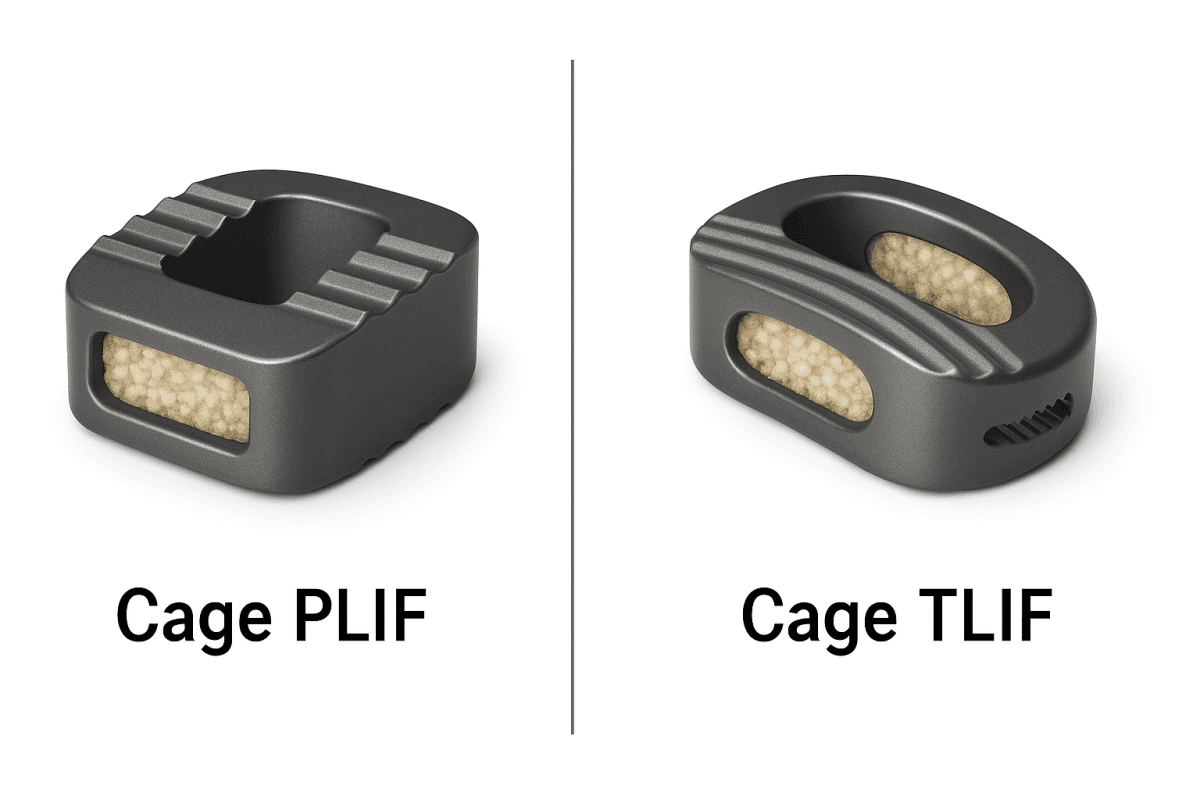
Dedicated international slots reserved with our French partner surgeons — no 12 to 18 month waiting list.
Minimally invasive procedures, intra-operative imaging and the latest implants — often unavailable locally.
Coordination from Montréal to France in French and English, with your home physician kept in the loop.
Detailed pricing before any procedure, insurance support and no hidden fees.
Step 1
45-minute appointment with our clinical nurse specialist to review imaging, symptoms and history.
Step 2
Your case is shared with the most relevant French spine surgeon. Treatment plan delivered within 48 hours.
Step 3
Concierge organises stay, transport and admission. Surgery takes place in a partner centre of excellence.
Step 4
Post-op recovery in Québec with shared follow-up between Franchir's team and your home physician.
Patient story
“A second chance”
Jean-François, 43, from Repentigny, Quebec, shares years of pain after scoliosis surgery 26 years ago, then how Neurothérapie Montréal and Franchir guided him through revision surgery in Poitiers — a second chance.
Send us your imaging and medical history. A specialist reviews your file and confirms whether surgery is the right option — for free.
Published · Updated