Surgical Solutions for Back Pain Relief
Surgical Solutions for Back Pain Relief
The idea of spine surgery can be concerning and raise many questions.
At Franchir, we believe an informed patient is a prepared patient.
This page provides clear, detailed information to help you better understand your options.
When should you consider spine surgery?
Surgery is never decided lightly. It becomes an option when (physiotherapy, medication, injections) no longer provide sufficient relief and your quality of life is significantly impacted.

Every pain, every diagnosis is unique. That’s why . Discover the and the ..
Understand Your Condition and Treatment Options
Spinal Stenosis / Lumbar Canal Narrowing
Spinal stenosis, often called lumbar canal narrowing, occurs when the spinal canal inside your vertebrae narrows. This narrowing, typically caused by arthritis, compresses the nerves going to your legs. Imagine a pipe that’s becoming narrower – that’s what happens to your nerves.
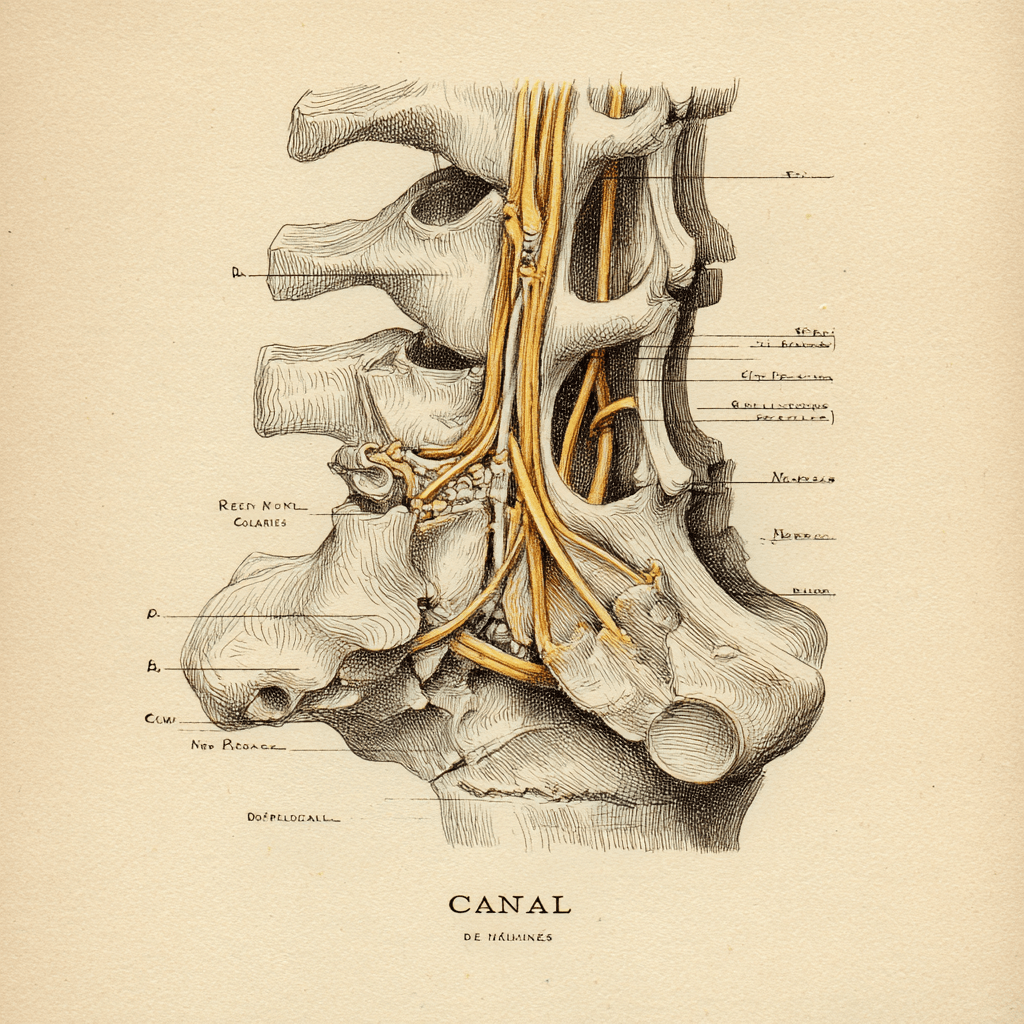
Why Surgery?
This compression often causes ““: pain, cramps or weakness in your legs that forces you to stop walking.
When your walking distance becomes too limited and affects your independence, surgery is considered to relieve nerve pressure and allow comfortable walking again. The goal is simple: .
Laminectomy or Canal Recalibration
This is the standard procedure. By removing a small part of the bone (vertebral lamina) and thickened ligaments, the surgeon enlarges the canal and relieves compression.
Fusion (Optional)
If decompression risks making the spine unstable, or if instability already exists, to strengthen the operated segment and maintain long-term results.
Ready to Take the First Step?
Contact Franchir today for a personal case review. We’ll provide a clear, detailed quote so you can move forward with confidence toward a pain-free life..
Scoliosis: Correcting Curvature to Restore Balance
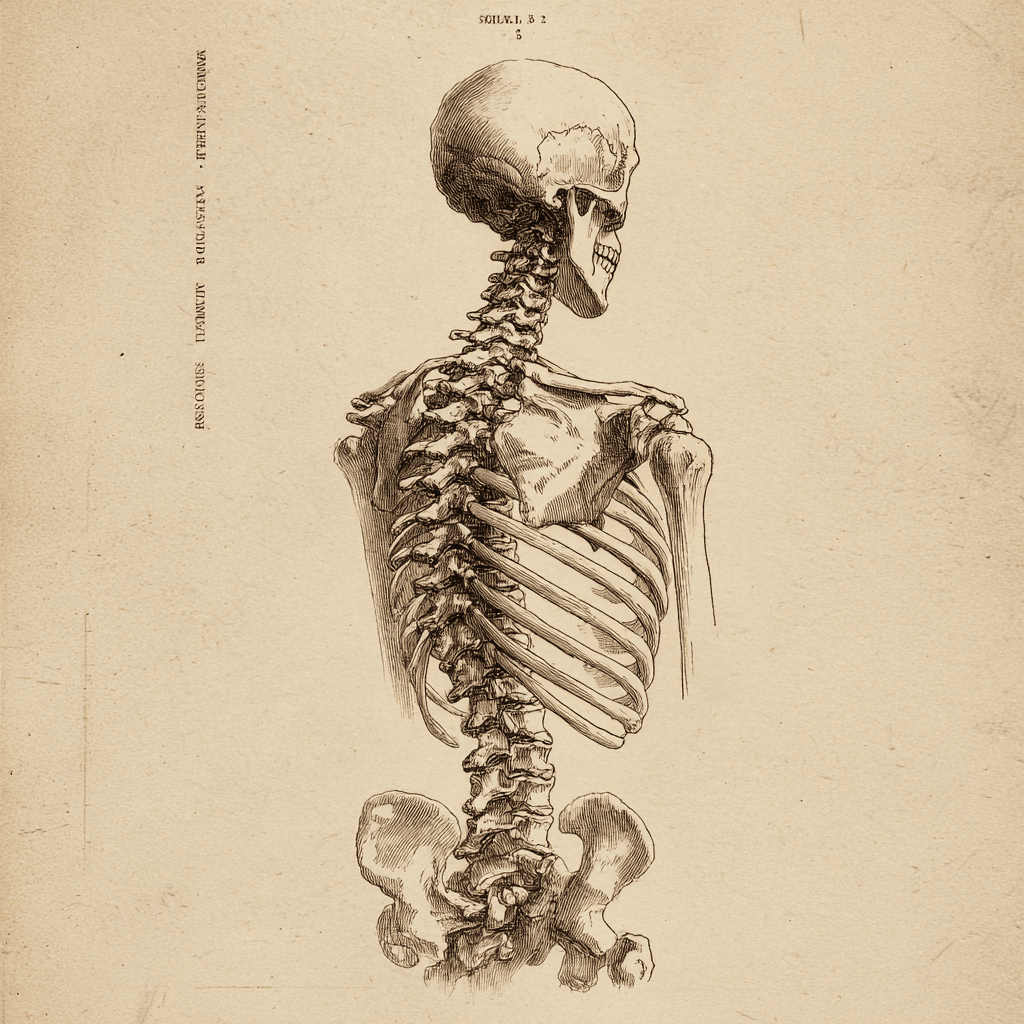
Scoliosis isn’t just a curve – it’s a three-dimensional spinal deformity. In adults, it may continue from adolescent scoliosis or develop with age (“de novo” scoliosis). It can cause chronic pain, trunk imbalance, and in severe cases, affect breathing capacity.
Surgery is recommended when the deformity is severe, continues to progress, or when pain and imbalance become disabling. The goal is not to achieve a perfectly straight spine, but rather to rebalance it in order to relieve pain, stop progression, and significantly improve your posture and quality of life.
The only effective technique to correct structural scoliosis is spinal arthrodesis.
Principle: The surgeon corrects the deformity using implants (screws and titanium rods) to hold the spine in a better position. A bone graft is then added so that the vertebrae fuse together, creating a solid and stable block that prevents the deformity from returning.
Spondylolisthesis: Stabilizing a Slipped Vertebra
Imagine a stack of bricks where one has slipped forward. Spondylolisthesis is exactly that: one vertebra slipping over the one below. This slip can create two problems: Instability (source of mechanical pain, especially during activity), nerve compression at the slip site.
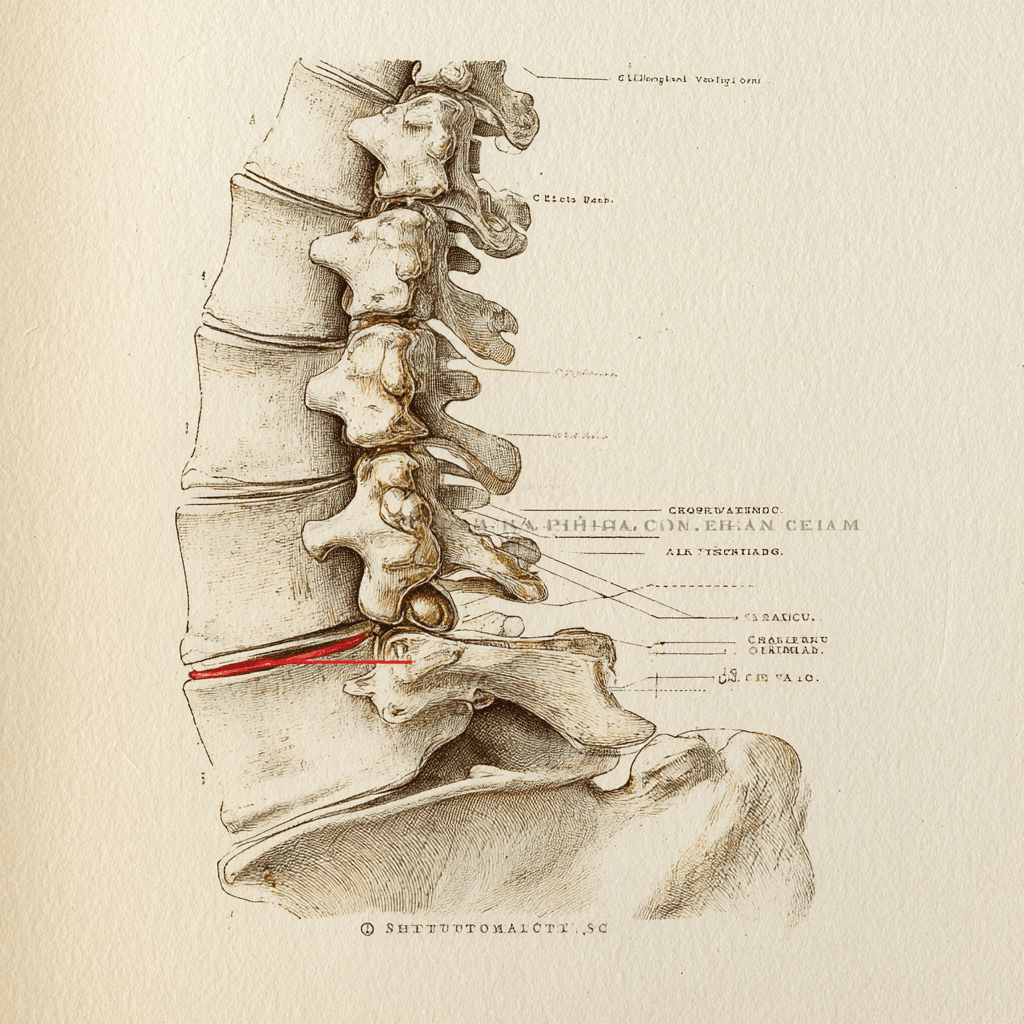
Surgery becomes an option when: The slip is significant, Instability causes
The goal is twofold: Relieve compressed nerves, Durably stabilize the spine.
The intervention for spondylolisthesis typically combines two actions:
Nerve Decompression: First, we relieve the nerves. This is most often done through to remove elements compressing nerve roots.
Fusion: Then, and this is a crucial step, we stabilize. to fix the slipping vertebra, prevent further movement and eliminate instability-related pain. This ensures lasting results.
Alternative Surgical Techniques
Disc Prosthesis: Replacing the Disc to Preserve Movement
nlike fusion which aims to join vertebrae, disc prosthesis has a different objective: replacing a worn disc with an . This modern solution aims to both relieve pain and maintain neck or lower back flexibility.
This technique is an excellent alternative to fusion, but isn’t suitable for everyone. It’s typically reserved for patients with . It’s often preferred for .
To implant the prosthesis, the . This allows reaching the disc without disturbing important back muscles. The damaged disc is completely removed and replaced with the articular implant. The goal is to .
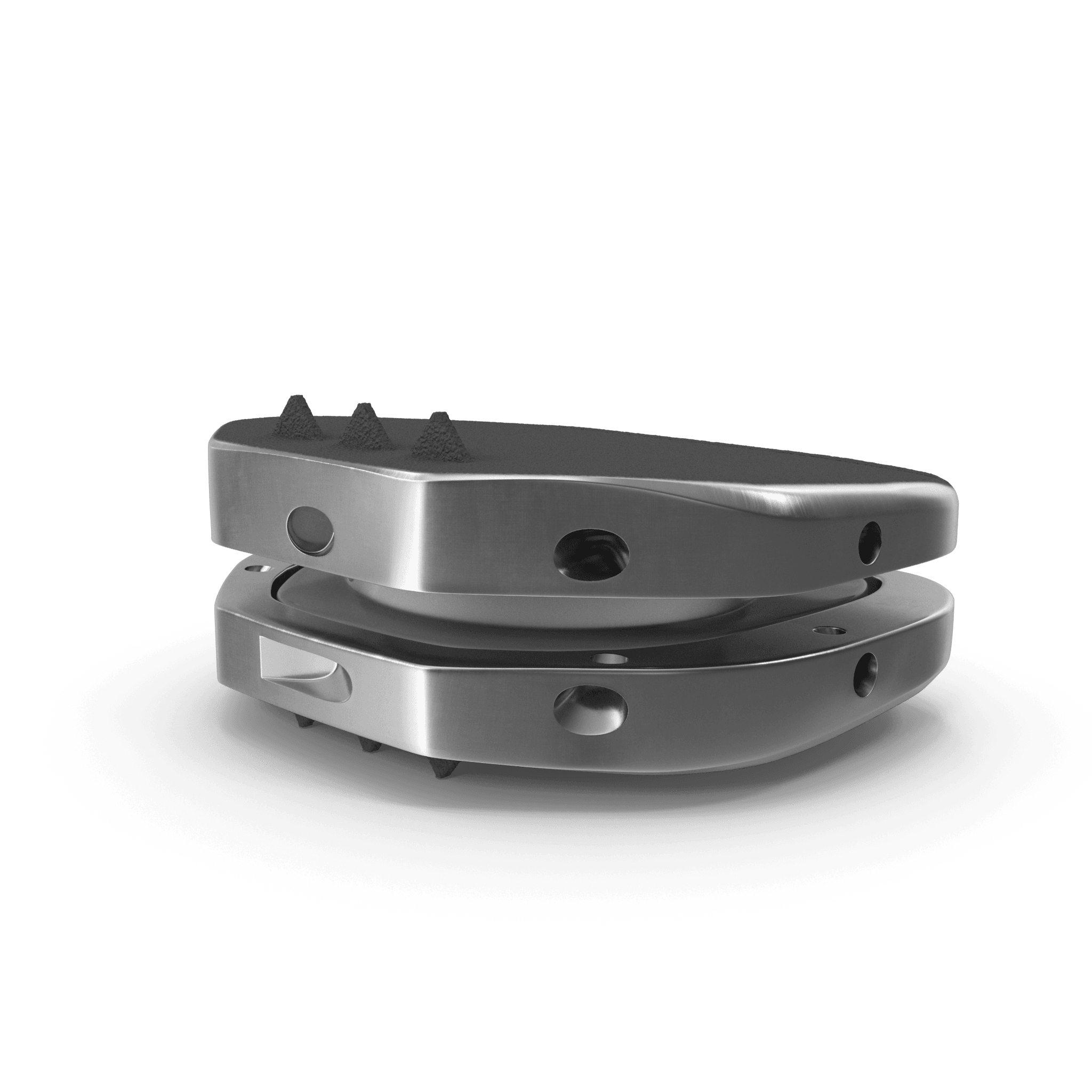
Lumbar disc prosthesis (3D)
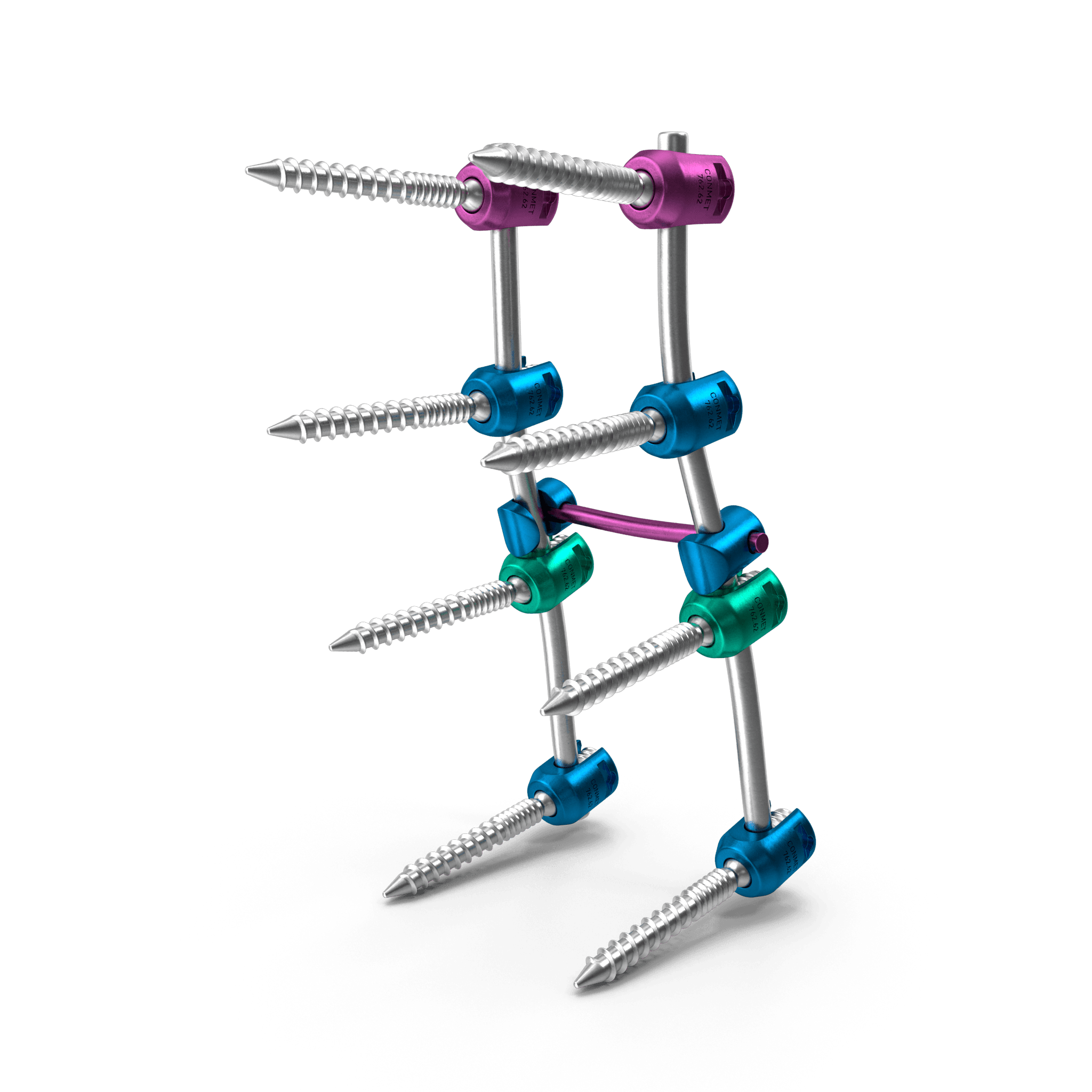
Lumbar spine fixation system (Fusion)
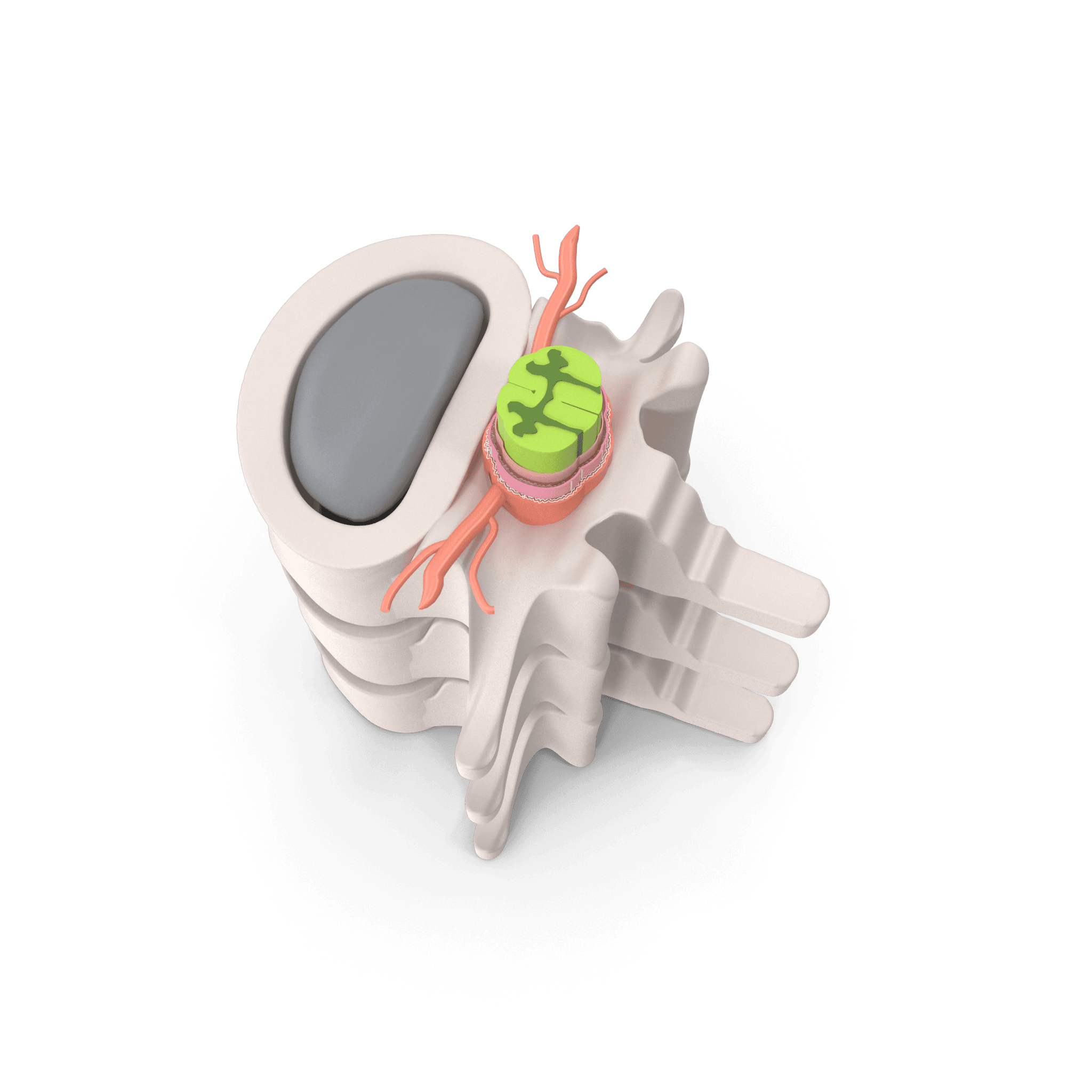
Spinal anatomy
Following your surgeon's instructions and physiotherapy rehabilitation are the pillars of your return to active life.
Surgery is just one step. True success comes during recovery. Following your surgeon’s instructions and physiotherapy rehabilitation are the pillars of your return to active life.
Every step, every progress is a victory. Our team remains by your side to support you and ensure you overcome this phase in the best possible conditions.


Not sure if surgery is the right step for you? Book an appointment.
Nous contacter
info@franchir.eu
