
Typical symptoms
- Persistent back or neck pain for more than 3 months
- Stiffness in the morning or after sitting
- Disturbed sleep, irritability, low energy
- Loss of confidence in your body
SPINE CONDITION
Back or neck pain is called chronic when it lasts more than three months. It rarely has a single cause and rarely has a single fix. Our role is to identify what actually drives the pain, and to combine the right answers — rehabilitation, mini-invasive treatment, and surgery only when truly indicated.
Chronic pain disrupts sleep, mood and work. It deserves a structured assessment rather than another round of generic painkillers.
Chronic spine pain is usually a layered story: degenerative changes, deconditioning, postural overload, sleep deprivation and sometimes nociplastic sensitisation. Imaging findings rarely tell the whole truth — many adults have disc bulges on MRI without any pain.
Our diagnostic work focuses on three questions: is there a precise pain generator? Are there red flags? And what truly limits your daily life? Answering them shapes a personalised plan rather than a one-size-fits-all surgery.
We always start with the least invasive option that delivers durable relief. Surgery is reserved for cases where conservative care has failed or red flags are present.
Stage 1
Active rehabilitation, graded exposure to movement, sleep and stress management, optimisation of analgesics. Foundation of chronic pain care.
Stage 2
Image-guided infiltrations, facet rhizotomy or radiofrequency ablation when a specific pain generator is confirmed by diagnostic blocks.
Stage 3
Considered only when imaging shows a clear lesion that explains the pain and conservative care has failed. Mini-invasive techniques are preferred to limit recovery time.
Surgical technology
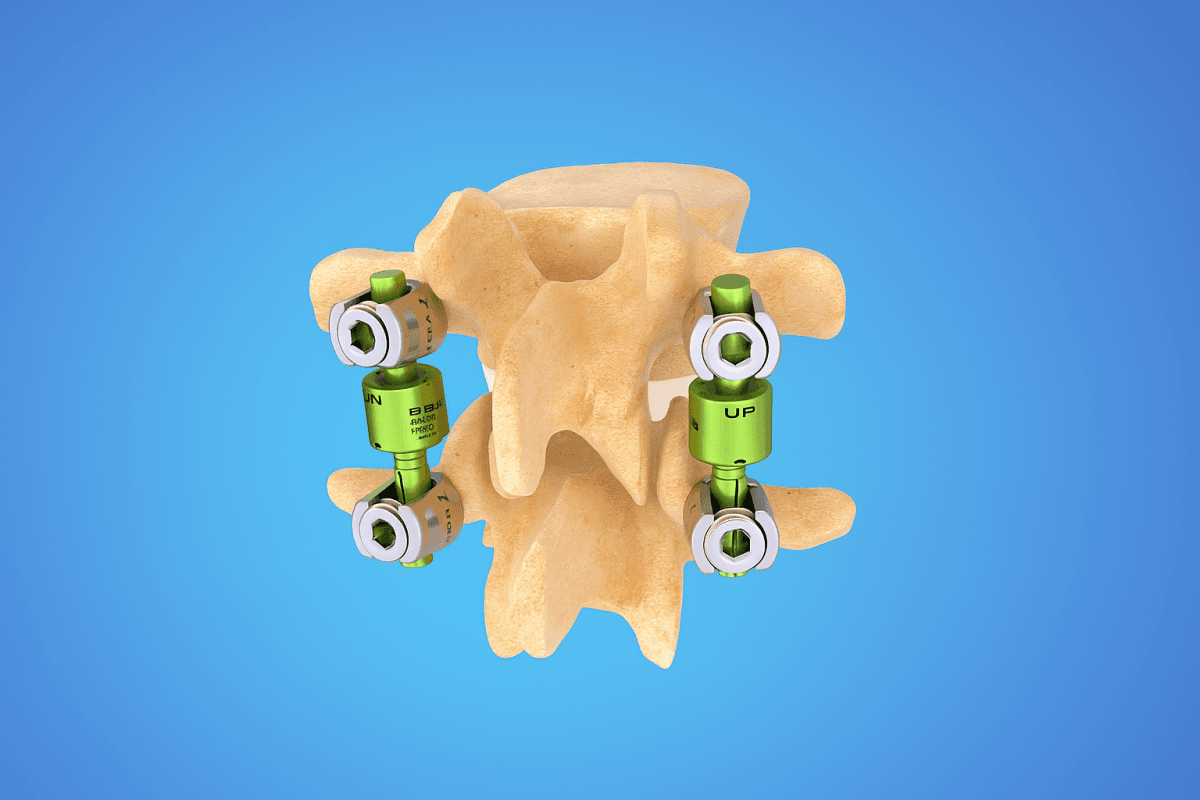
Dedicated international slots reserved with our French partner surgeons — no 12 to 18 month waiting list.
Minimally invasive procedures, intra-operative imaging and the latest implants — often unavailable locally.
Coordination from Montréal to France in French and English, with your home physician kept in the loop.
Detailed pricing before any procedure, insurance support and no hidden fees.
Step 1
45-minute appointment with our clinical nurse specialist to review imaging, symptoms and history.
Step 2
Your case is shared with the most relevant French spine surgeon. Treatment plan delivered within 48 hours.
Step 3
Concierge organises stay, transport and admission. Surgery takes place in a partner centre of excellence.
Step 4
Post-op recovery in Québec with shared follow-up between Franchir's team and your home physician.
Patient story
“Another path is possible”
Jacinthe shares her husband Jean-François’s journey: living with chronic back pain, searching for answers in Quebec, finding a listening ear at Neurothérapie Montréal, then travelling to France with Franchir — a couple’s strength through a complex care pathway.
Send us your imaging and medical history. A specialist reviews your file and confirms whether surgery is the right option — for free.
Published · Updated