
Typical symptoms
- Sudden, sharp lower back pain after a movement
- Muscle spasm, locked posture
- Difficulty standing up straight
- Pain peaks within 24 to 48 hours
SPINE CONDITION
An acute lumbago is a sudden, intense lower back attack triggered by an everyday movement. Most episodes are benign and settle within 4 to 6 weeks. A small minority hide a real spine problem — knowing the difference is what protects your recovery.
Lumbago is short, intense and frightening but rarely dangerous. Persisting symptoms, however, deserve a structured assessment.
Acute lumbago is most often a muscle, ligament or facet joint flare-up triggered by an awkward movement. In some cases the underlying cause is a herniated disc or a degenerative facet — invisible until the trigger event.
Imaging is not needed in the first weeks of a simple episode. It becomes essential if pain persists, radiates or recurs — exactly when Franchir steps in to fast-track an MRI and a specialist opinion.
We always start with the least invasive option that delivers durable relief. Surgery is reserved for cases where conservative care has failed or red flags are present.
Stage 1
Stay mobile, avoid prolonged bed rest, use NSAIDs and muscle relaxants short-term, apply heat. Most episodes settle within 4 to 6 weeks.
Stage 2
Specific physiotherapy and motor control work to prevent recurrence. Adjustments to workstation and movement habits.
Stage 3
When attacks recur or a structural cause appears on MRI, Franchir routes you to a French spine surgeon for infiltration, mini-invasive treatment or surgery.
Surgical technology
Dedicated international slots reserved with our French partner surgeons — no 12 to 18 month waiting list.
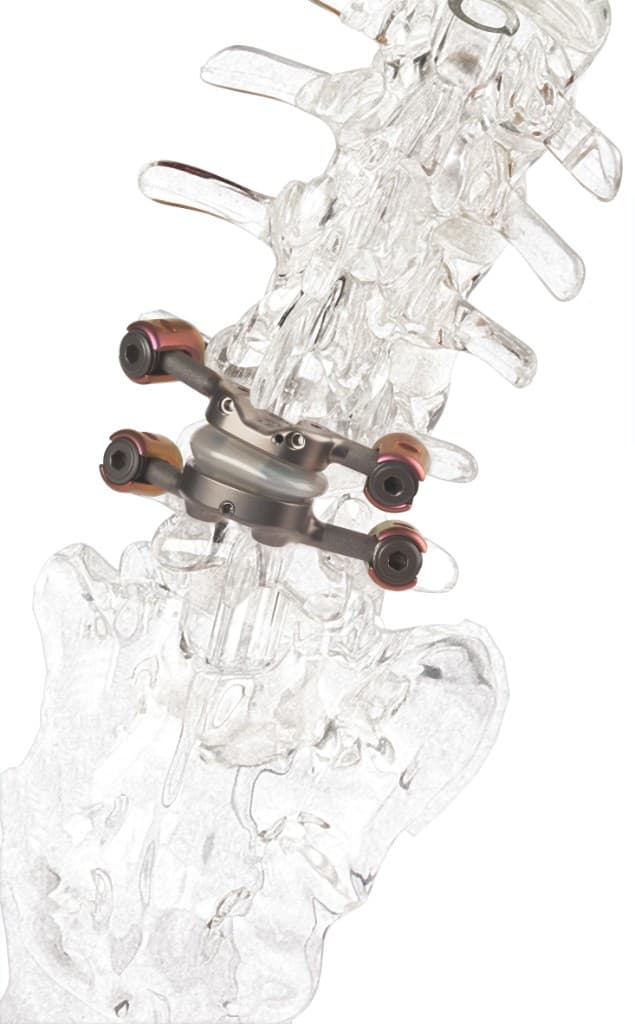
Minimally invasive procedures, intra-operative imaging and the latest implants — often unavailable locally.
Coordination from Montréal to France in French and English, with your home physician kept in the loop.
Detailed pricing before any procedure, insurance support and no hidden fees.
Step 1
45-minute appointment with our clinical nurse specialist to review imaging, symptoms and history.
Step 2
Your case is shared with the most relevant French spine surgeon. Treatment plan delivered within 48 hours.
Step 3
Concierge organises stay, transport and admission. Surgery takes place in a partner centre of excellence.
Step 4
Post-op recovery in Québec with shared follow-up between Franchir's team and your home physician.
Send us your imaging and medical history. A specialist reviews your file and confirms whether surgery is the right option — for free.
Published · Updated